Set Your Focus
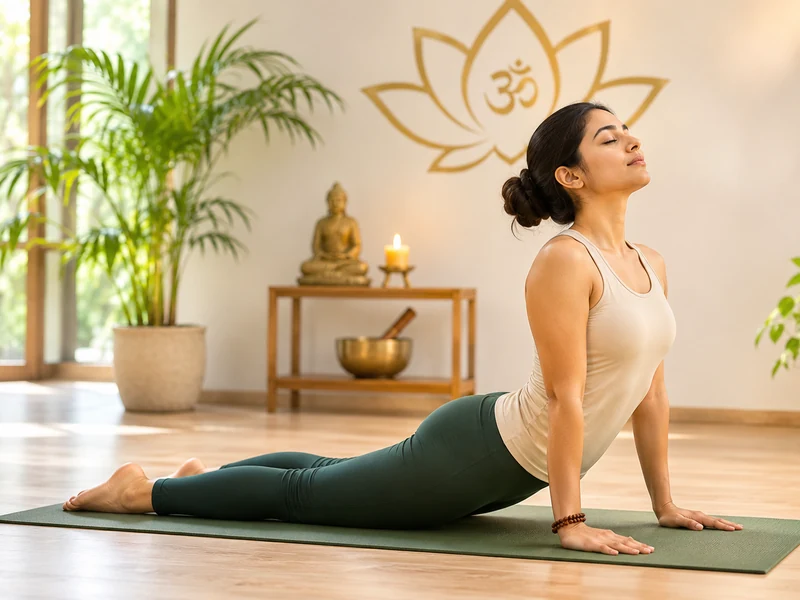
Establish breath awareness and intention before moving.
Discover the rhythm of a structured practice.
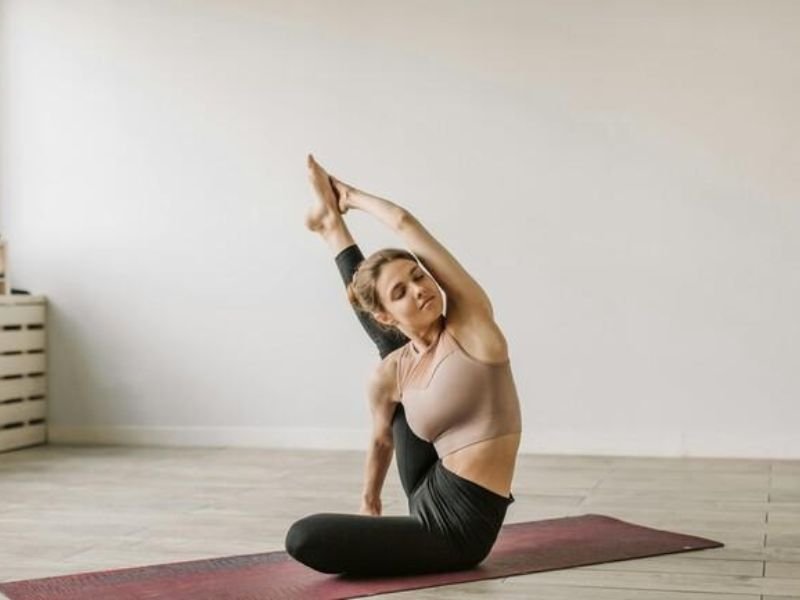
Ashtanga Yoga follows a progressive approach to postures, breath and focused attention. Sessions can be adapted to your experience and physical readiness.
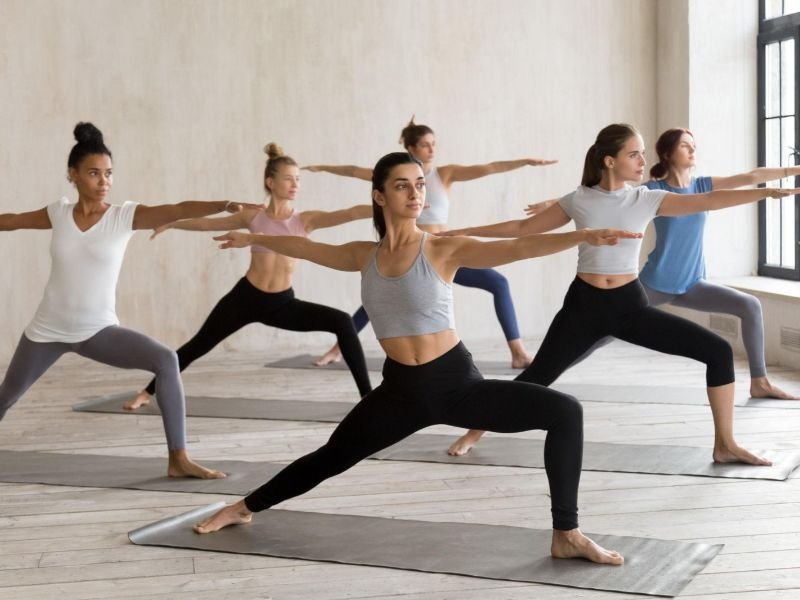
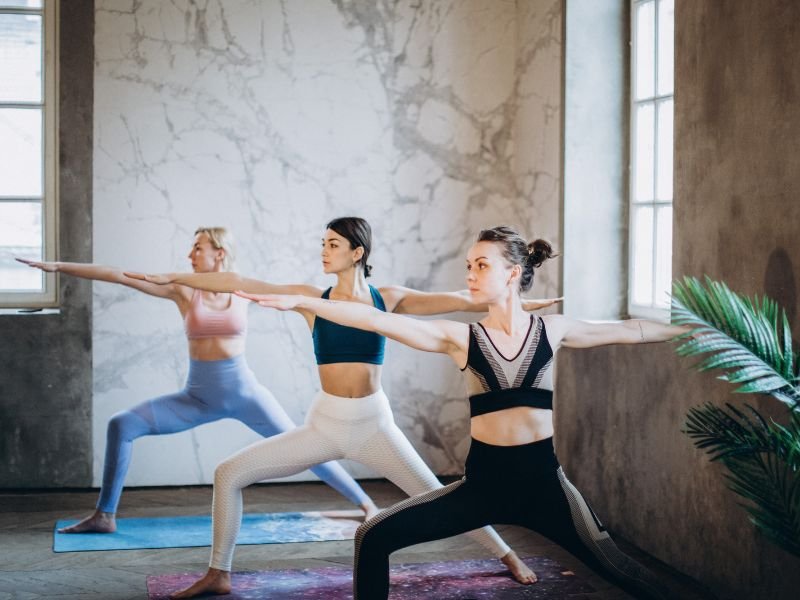
Ashtanga Yoga is distinguished by its structured approach to movement. In its traditional form, postures follow a set sequence, with breath helping to establish a rhythm between movements. Repetition gives practitioners an opportunity to become more familiar with transitions and observe how their balance, strength and concentration develop over time.
Through online Ashtanga Yoga classes, you can explore the foundations of this disciplined practice at a level appropriate to your experience. Rather than rushing into the full sequence, the focus is on learning movements progressively, maintaining comfortable breathing and recognising when to rest. Whether you are returning to a familiar practice or exploring Ashtanga for the first time, enquire about a suitable starting level.
Ashtanga is a structured, physically engaging style built around a consistent sequence of postures. Breath, focused attention and repetition help students learn the practice progressively.
Establish breath awareness and intention before moving.
Move through sun salutations with considered modifications.
Explore standing and seated poses in a structured order.
Close with gentle finishing postures and rest.
Ashtanga follows a consistent sequence of postures coordinated with breath. Repetition helps you notice progress in strength, mobility and concentration over time.
Ashtanga is a structured, physically engaging style built around a consistent sequence of postures. Breath, focused attention and repetition help students learn the practice progressively.
Keep a non-slip mat and enough room for standing transitions. Tell the instructor about your previous experience before starting a structured sequence.
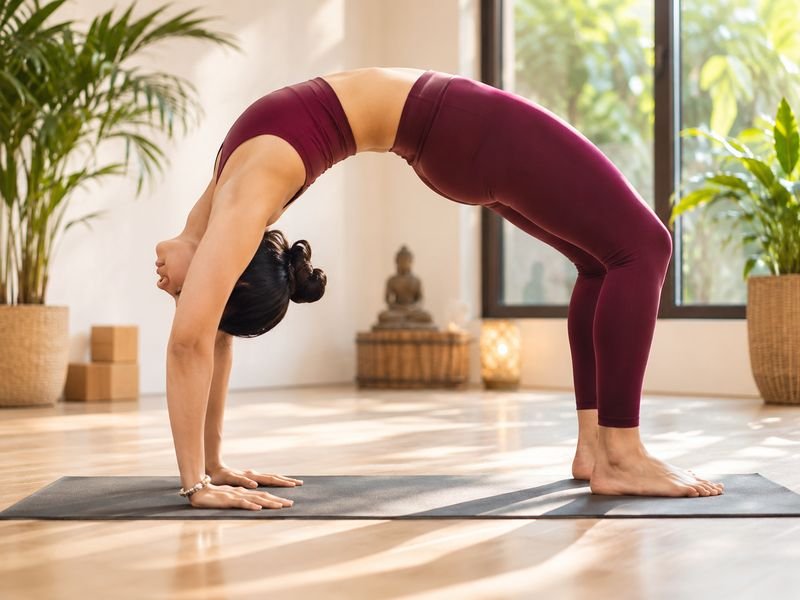
Some introductory or modified formats are suitable for beginners. Ask about the pace and level before joining.
It can be vigorous, particularly in full traditional sequences. Options and pacing should match individual capacity.
Ashtanga traditionally follows a defined sequence; Power Yoga usually offers more flexible sequencing.
Not at first. Repetition helps familiarity, and the teacher can guide the sequence.
Discuss rest and modifications with the instructor, especially if you are new to a dynamic practice.
Breath is central to the practice and helps guide the rhythm of movements and focused attention.
Have questions about the practice or availability? We would love to hear from you.