Find a Comfortable Seat
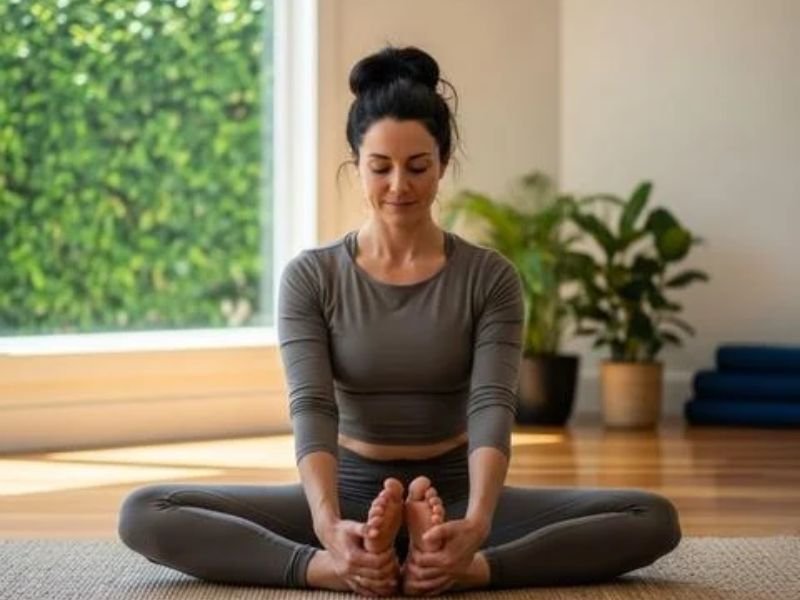
Settle in a chair or on a cushion with relaxed posture.
Breathing and meditation practices for a calmer, clearer mind.
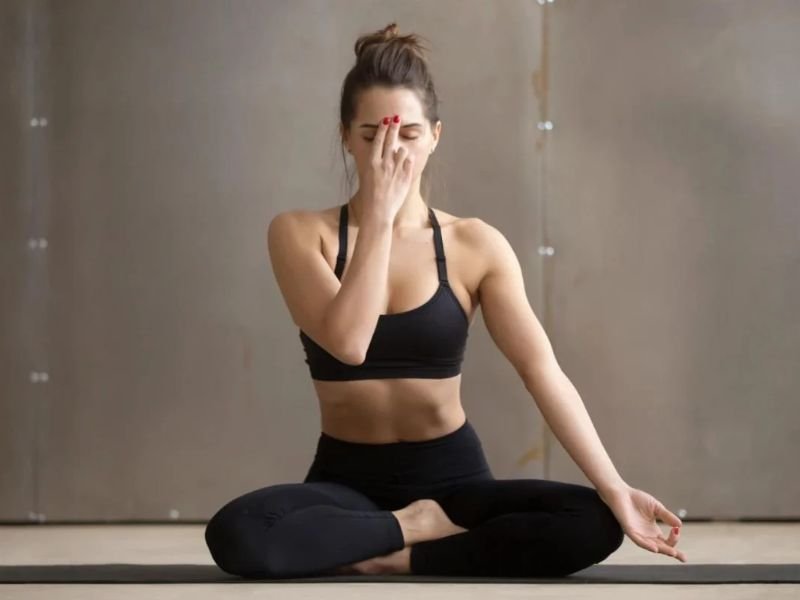
Breathing and meditation practices for a calmer, clearer mind.
Enquire about availability, suitability and session details.
Pranayama and meditation offer two complementary ways to explore the quieter aspects of yoga. Pranayama focuses on awareness of breathing, while meditation invites you to observe thoughts, sensations or a chosen point of attention. Neither practice requires you to eliminate every distraction or achieve a particular state of mind. The emphasis is on returning gently to the present moment.
Online sessions make it possible to create a dedicated space for these practices within your own home. You can sit comfortably on a chair or cushion and explore gentle, guided exercises without forcing the breath. Regular practice offers an opportunity to notice everyday habits of attention and develop a more mindful relationship with moments of stillness, at a pace that feels natural to you.
Pranayama and meditation cultivate a more attentive relationship with breathing and the present moment. Sessions combine comfortable positioning, gentle breath awareness and guided periods of stillness.
Settle in a chair or on a cushion with relaxed posture.
Notice natural breathing without forcing or straining.
Follow gentle guided meditation or a simple focus.
Return awareness to the room at your own pace.
Pranayama and meditation invite you to notice the breath, settle your attention and create a quieter moment in the day. Techniques are introduced progressively and comfortably.
Pranayama and meditation cultivate a more attentive relationship with breathing and the present moment. Sessions combine comfortable positioning, gentle breath awareness and guided periods of stillness.
Choose a quiet space and a comfortable chair or cushion. Avoid forcing the breath; tell the instructor about relevant health concerns.
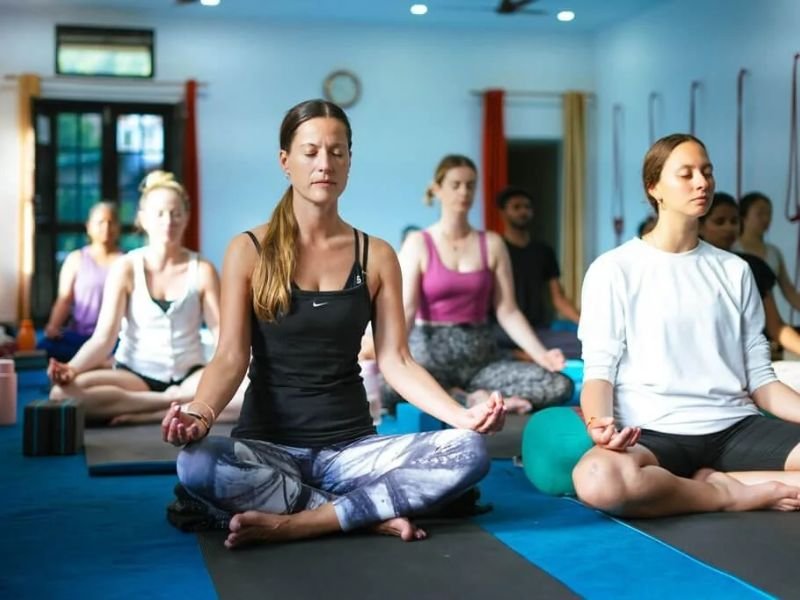
No. A supportive chair or other comfortable position is usually an option.
They are related but distinct: breath practices work with breathing, while meditation develops attention and awareness.
Not necessarily. Tell the teacher about any health concerns and avoid breath retention or forceful techniques unless appropriately guided.
That is normal. The practice involves noticing distractions and gently returning attention.
Formats vary. Contact the academy for current session length and structure.
Stop any technique that causes dizziness or discomfort and return to natural breathing. Discuss symptoms with a healthcare professional before resuming.
Have questions about the practice or availability? We would love to hear from you.