Slow Down
Arrive with quiet breathing and an easy warm-up.
Create space for stillness.
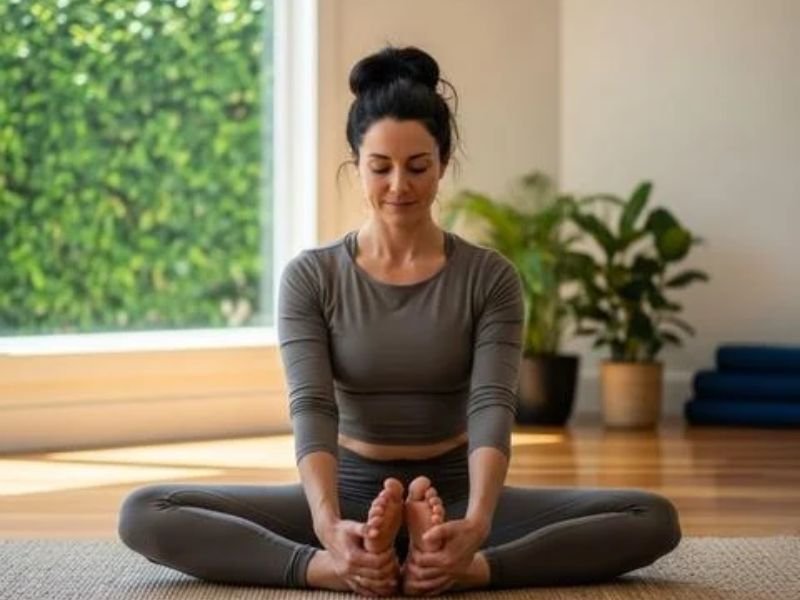
Yin Yoga uses longer-held, supported shapes and a quiet pace to encourage relaxation and body awareness. Props and modifications help make the practice accessible.
Yin Yoga offers a contrast to more active styles of yoga by allowing time to settle into mostly seated or lying postures. Positions are generally held for longer periods, with props available to support a comfortable range of movement. Instead of striving for deeper stretches, the practice encourages you to observe sensations, respect your limits and become familiar with stillness.
Our online Yin Yoga classes provide an opportunity to step away from the rush of everyday activities and create a quieter practice at home. Cushions, blankets or yoga blocks can help you adjust positions according to your needs. The slower rhythm makes space to notice breathing and changes in sensation between postures. Comfortable support matters more than flexibility, and you can always adjust or leave a position.
Yin Yoga is a slow, mostly floor-based practice using longer, supported holds. It invites patience, comfort and attentive observation rather than force or performance.
Arrive with quiet breathing and an easy warm-up.
Use cushions or blocks to create comfortable shapes.
Rest in gentle holds without pushing into pain.
Allow time to notice sensations and settle.
Yin Yoga uses comfortable, supported holds to encourage patience and gentle exploration of mobility. Props and thoughtful adjustments help make the practice accessible.
Yin Yoga is a slow, mostly floor-based practice using longer, supported holds. It invites patience, comfort and attentive observation rather than force or performance.
Have a cushion or folded blanket available for supported positions. Stay within a comfortable range rather than forcing a stretch.
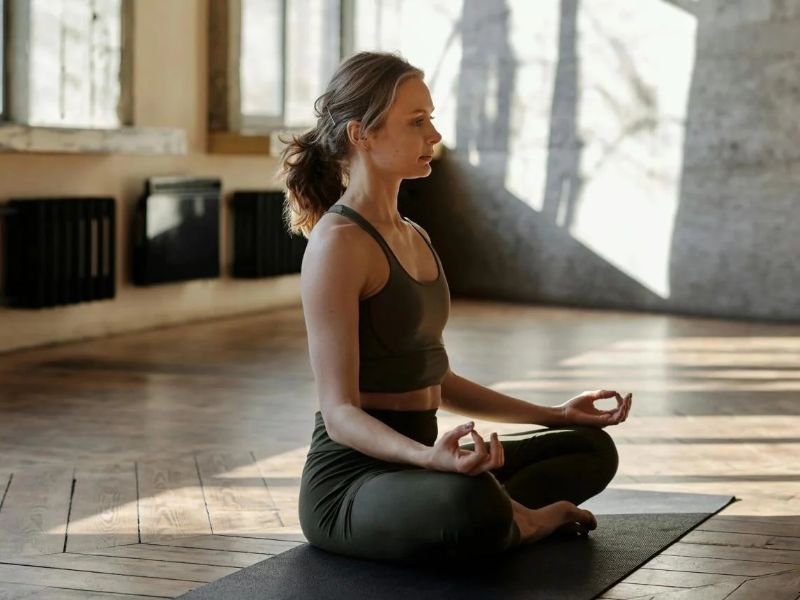
Holds are often longer than in active yoga styles, but the duration varies by pose and student.
They share a slower pace, but Yin often uses sustained gentle sensation while restorative yoga emphasizes full support and rest.
No. Avoid sharp pain, numbness or strain and ask the instructor for adjustments.
No. Props and variations can help make positions accessible.
Blocks, bolsters, cushions and blankets may be used; ask what is available at the studio.
It depends on the injury and recovery stage. Seek professional guidance and tell your instructor about any limitations.
Have questions about the practice or availability? We would love to hear from you.